Overcoming The Invisible Scars
McQuility ‘Coco’ Qurikewith was flung high into the air when an Improvised Explosive Device hit the vehicle he was travelling in as a medic in Afghanistan. Earlier that evening, his team had been called away from the patrol base on a rescue mission to retrieve wounded soldiers. They had successfully loaded them into the vehicle and were just one kilometre from returning to camp when the explosive struck, launching the truck more than 10 metres into the air. Coco was ejected through the rear hatch, soaring almost 30 metres into the sky.
Over the next three days he died three times. Each time, he was resuscitated. The world wasn’t done with him yet, he had a greater purpose to fulfil.
“I remember an intense flash, then three shadows standing over me, then I came-to again on the resuscitation table, the next thing I know I was landing in Germany,” said Coco.
Thankfully, the rest of his team and the wounded soldiers survived the incident, receiving treatment in Afghanistan. Coco was the only one who required lifesaving medical attention and in the 15 years since the incident, he has undergone more than 40 surgeries.
The physical scars, however, were not as deep as the mental ones.
The incident in Afghanistan in 2011 was the second time Coco had diced with death. The first was in Iraq in 2006. He had been dining with a platoon of American soldiers, sharing laughs and camaraderie, before waving them off on patrol that evening. Just hours later, he learned they had been attacked and that 16 of the 18 soldiers had been killed.
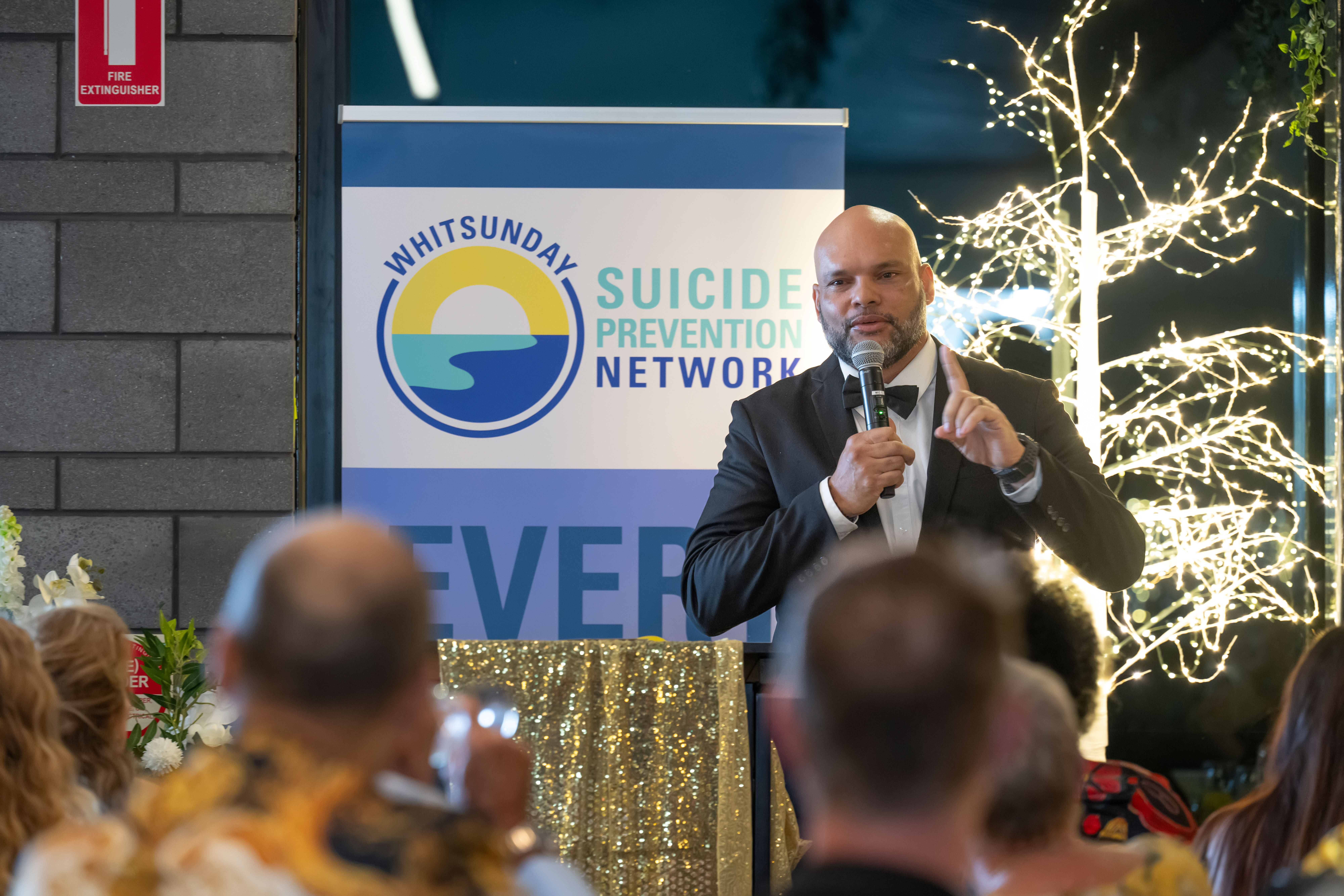
The tragedy triggered Post Traumatic Stress Disorder (PTSD) for Coco and, although he was still trying to understand its impact, he immediately knew he wanted to use his experience to help others. He began giving talks on managing PTSD and raising awareness among fellow service personnel. It marked the beginning of a journey into advocacy, speaking in schools, supporting wounded diggers and teaching leadership.
Those skills, he would later discover, became invaluable when he was forced to face his own demons once again.
After returning to Townsville following the explosion which nearly claimed his life Afghanistan, Coco chose to remain in the Defence Force while studying for a degree in Sports Science. In 2017, he left the military and began working for the NRL.
The career change, however, did not allow him to escape spiralling depression caused by PTSD. For a long time, only alcohol managed to blanket the pain. Until one night, his strong and supportive wife told him enough was enough. It was the alcohol or her and the kids. He had to make a choice.
Fortunately, he chose his family.
From there, sobriety allowed him to pour all of his energy into helping others. He doubled down on his motivational speaking, supporting fellow diggers and advocating for mental health within the returned service personnel community.
“It’s the best feeling in the world!” he shared.
“Even if it’s just one person out of a hundred, it’s still a successful day for me. It’s something that gives me a lot of gratitude – giving someone off the street a push in the right direction is my way of giving back.”
When asked about his message for others navigating similar mental health journeys, he said, “don’t do it alone”.
“Find yourself a support team. We do everything as a team in the defence force, it’s easy when you have a team, and often we forget to ask for support.
“Professional help is also massive, it’ll help you get through the worst.”
“I think in today’s world we should try not to judge, be an ear to listen instead, you might actually learn something if you’re more understanding and empathetic.”


